Are you afraid of sitting in the dentist's chair? You're not alone. Every year, millions of people suffer from dental fears and phobias that keep them from making proper dental appointments, and which allow them to unwittingly turn little problems into big, painful ones. The key to getting your oral health back under control is to understand the underlying reasons behind dental anxiety and what can be done to help.
Dental Fear and Phobias: What are They?
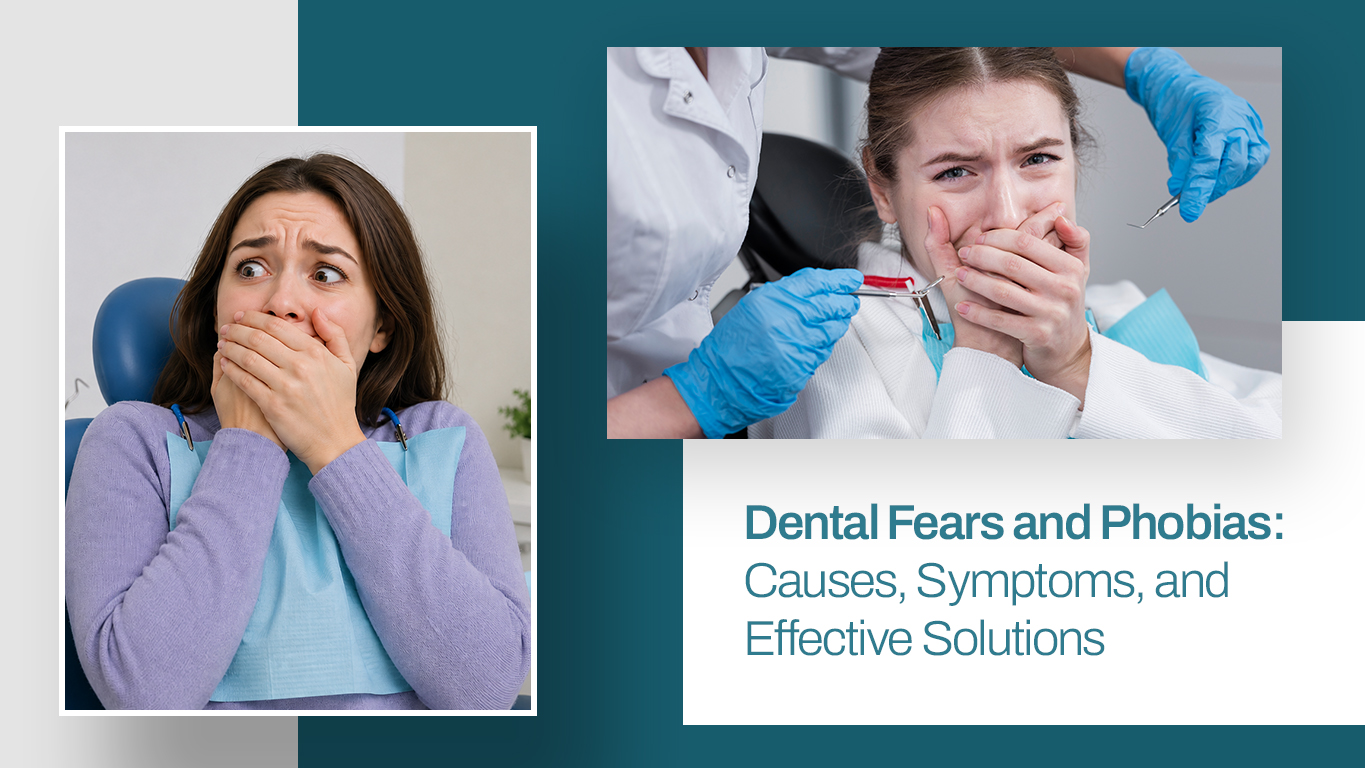
Though the terms are often interchangeable, there is a difference to be noted. Dentists know that many people have a fear of the dentist and that this can be managed. Dental phobia, however, is a very strong, irrational fear that can trigger panic attacks and cause a person to avoid visiting the dentist for years. They're both right, and they're both true, and they can both be fixed.
Common Dental Fears: What Triggers Them?
To determine the right dental fear solutionsit is important to understand what is causing the anxiety.
These most often are:
- Expectation of Pain : This is one of the most common excuses for not going to the dentist, and is likely to stem from a bad experience as a child, or from hearing of others' similar experiences. Today, dentistry has come a long way, and the majority of dental care is not as painful as a person thinks.
- Dental Injection Fear :The greatest obstacle to many dental care patients is the fear of dental injections. Just seeing a syringe – before it even touches the skin – can be extremely traumatic. Thankfully, there are topical anaesthetics and ultra-fine needles, so injections are not so painful anymore.
- Loss of Control : Being seated in a chair with your mouth open, not being able to talk freely or move about, can be very vulnerable. Many people suffer from helplessness, which is a significant source of anxiety.
- Fear of Judgment : Patients who haven't been to a dentist in years often feel embarrassed about the condition of their teeth and think they will be judged. A good dentist does not judge — they just want to do what is best for your health, and not your past.
- Sounds and Smells : A loud drill or the sterile scent of a dentist's office can cause strong reactions, particularly if the individual has experienced trauma in the past.
Recognising the Symptoms
- Dental anxiety may be physical or emotional. Common symptoms include.
- Trouble sleeping the night before an appointment.
- Having a fear or anxiety of getting sick or vomiting at the dentist's office.
- Getting upset or distressed at the prospect of visiting the dentist's office.
- Increasing feelings of anxiety when waiting in the waiting room or in the dental chair.
- Palpitations, perspiration or shortness of breath.
If any of these symptoms sound familiar, remember that these responses are totally appropriate – and that there is actually effective help out there.
Effective Solutions for How to Get Over Dental Fear
- Talk to Your Dentist First : Before any treatment, openly discuss your fears. An understanding dentist will modify his methods, describe everything to you and will never rush you. You can regain control by creating a "stop signal" (e.g., raise a hand).
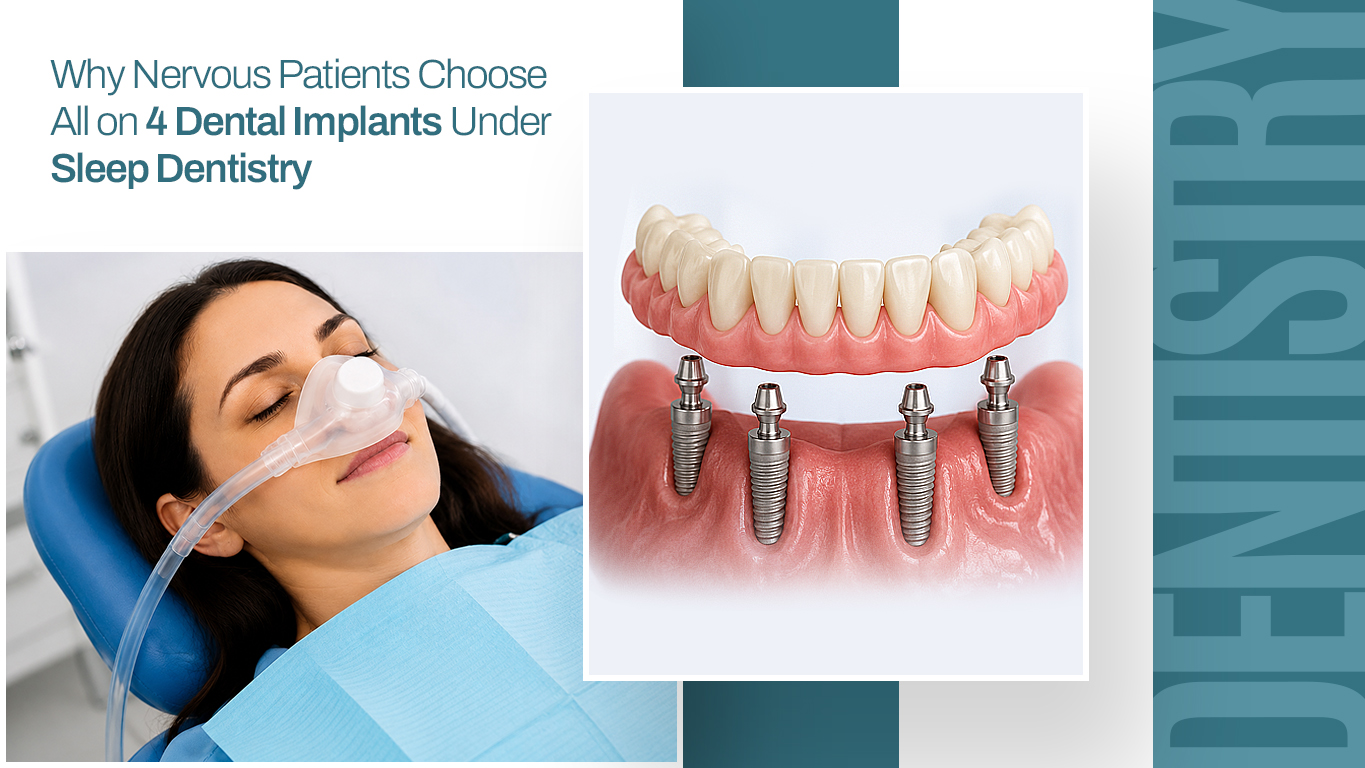
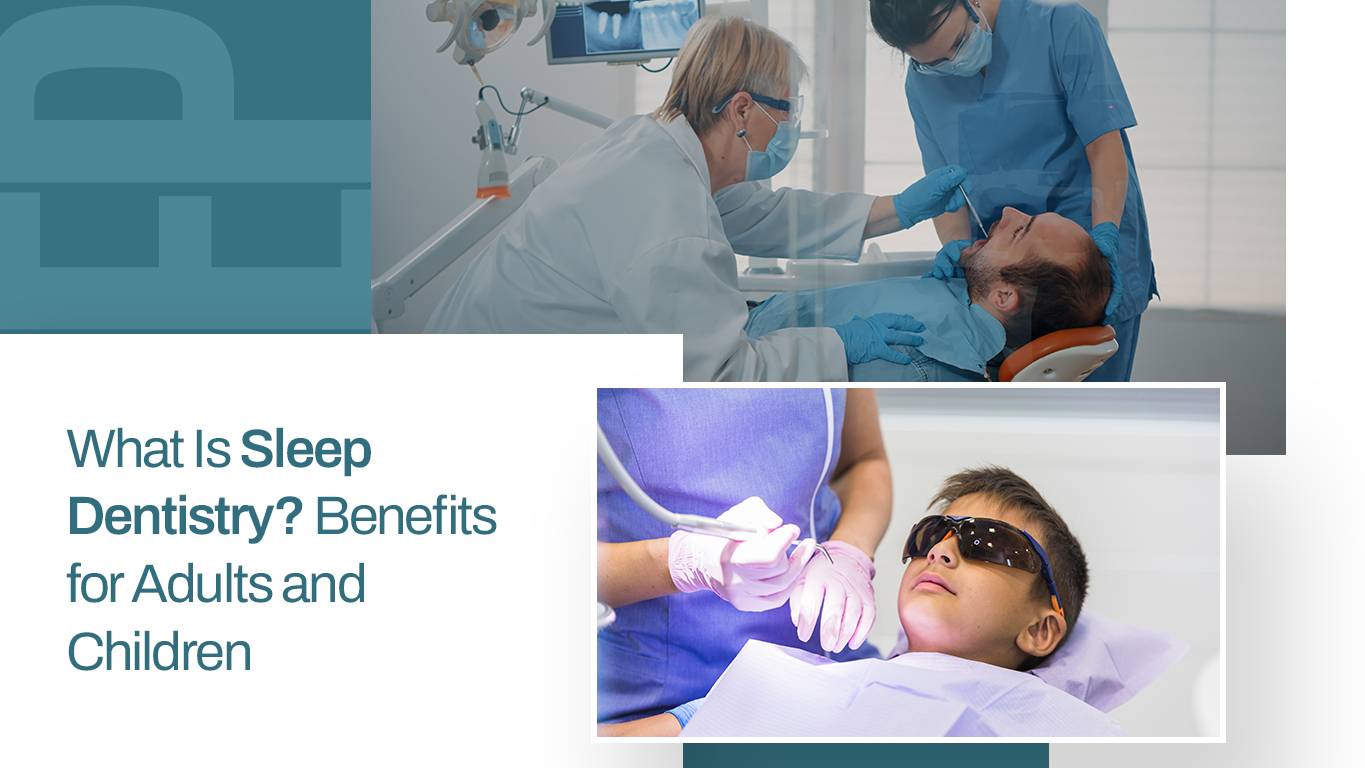
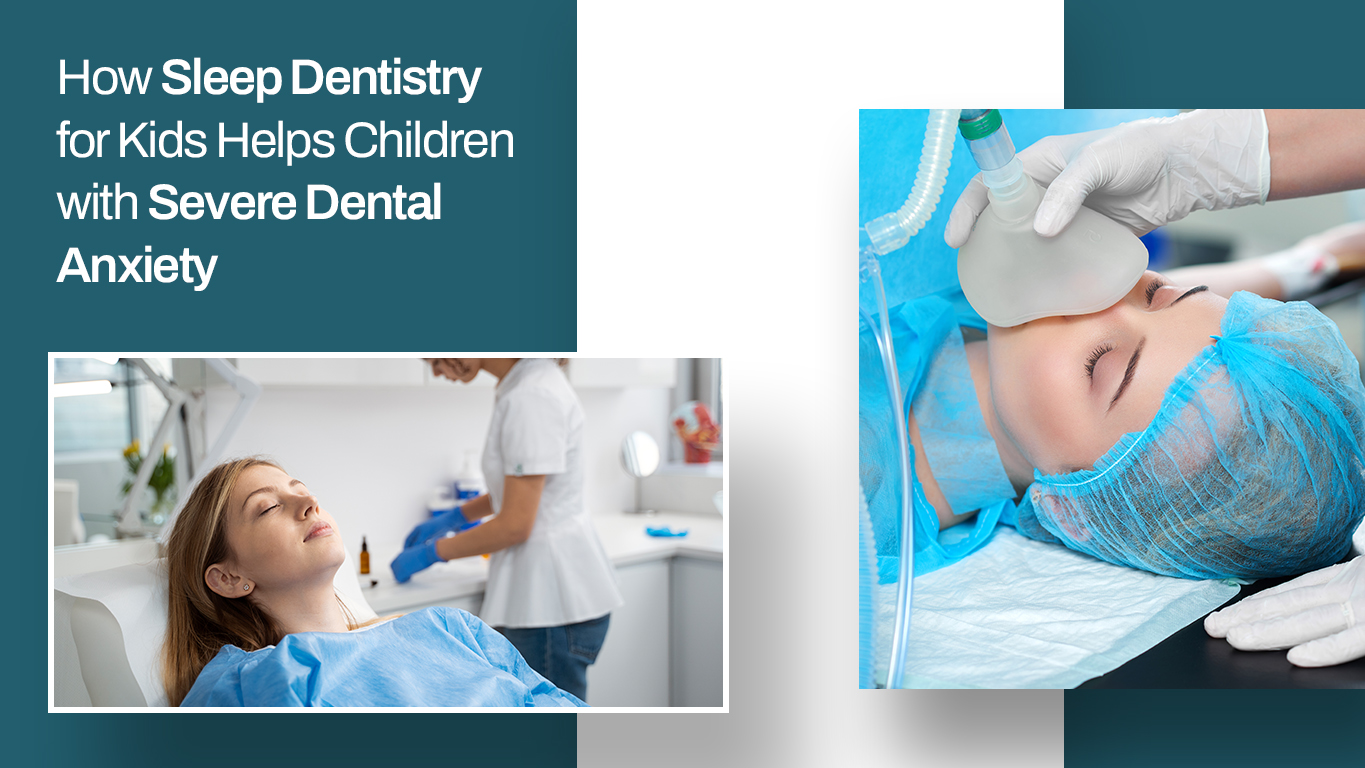
- One of the latest and greatest dental fear-conquering techniques is sedation dentistry. They range from nitrous oxide (laughing gas) for mild anxiety and help to relax you, to oral and IV sedation for more severe anxiety. Sedation appointments are, in fact, the first time that many of the patients have felt comfortable in any dental visit.
- Gradual Exposure : It helps to desensitise nervous patients over a period of time by starting with a no-treatment consultation and progressing to a simple clean and then to more involved procedures.
- Mindfulness and Distraction : Listening to music or a podcast, practising deep breathing and using mindfulness techniques can have a significant impact on reducing anxiety during appointments.
- Select the Right Practice : Dental practices vary. An anxious patient practice can provide a more relaxed and supportive environment, helping to alleviate anxiety from the start.
Conclusion
But dental fears and phobias can be a barrier to good oral health, and they don't have to be. From anxiousness about dental injections to fear of pain or years of skipping visits, the right support makes all the difference. Our friendly and professional staff at Bayswater Dentist know how to make nervous patients feel safe, heard and comfortable. Whether you're looking for a gentle, peaceful session or a full sedation experience, we have options to suit every need. Don't hold back from a healthy smile. Schedule your no-pressure consultation with Bayswater Dentist today and begin the journey towards a stress-free dental experience.